

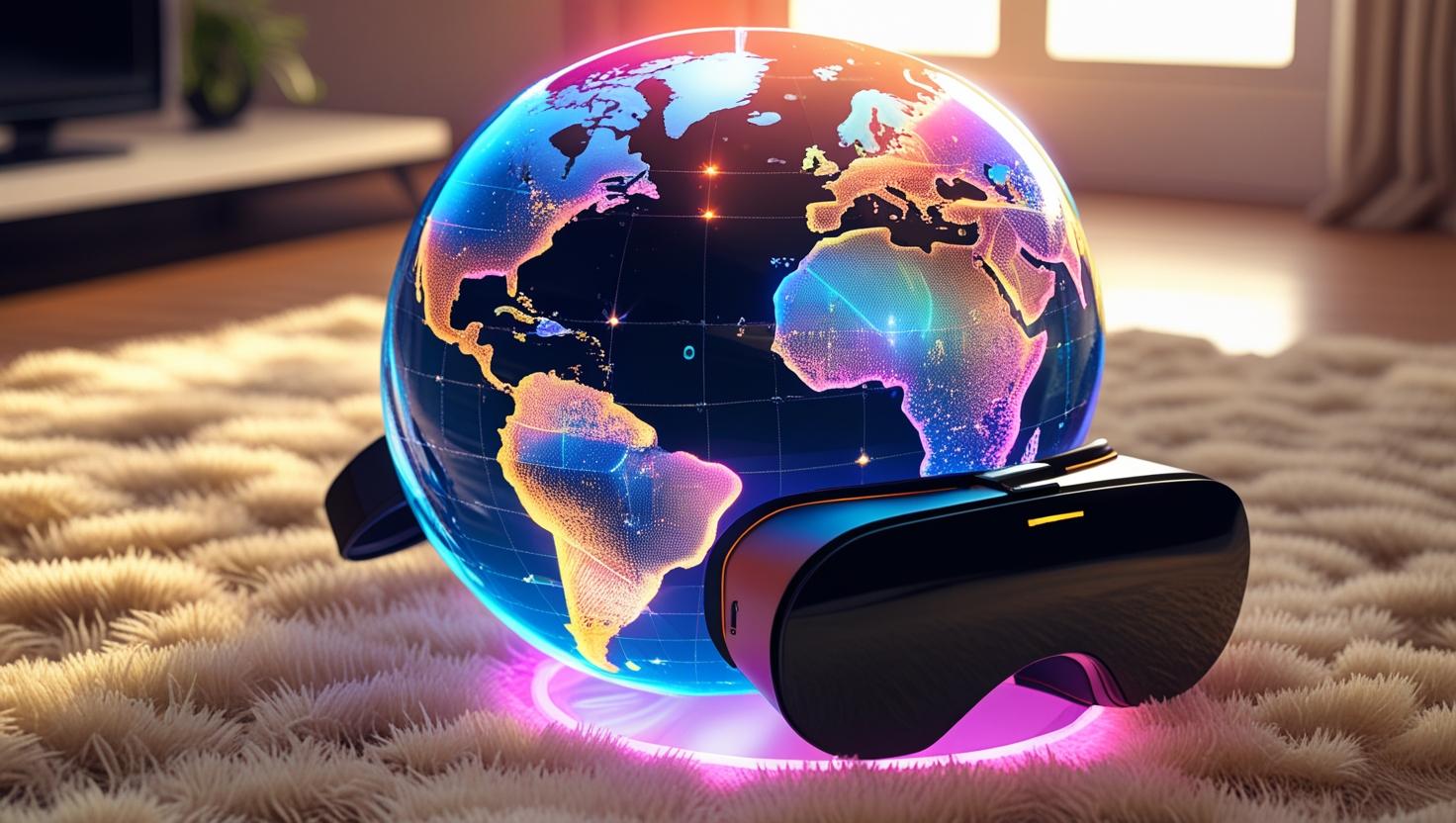
Travel has always been about discovering places, experiencing different cultures, and creating memories. But what if you could explore famous landmarks, walk through museums, or experience distant destinations without leaving your home? Virtual tourism is making this possible by combining technology with immersive travel experiences.
With virtual reality, 360-degree videos, interactive maps, and digital tours, people can now explore destinations from almost anywhere. This technology does not completely replace traditional travel, but it gives people a new way to discover the world before, during, or even without a physical trip.
What Is Virtual Tourism?
Virtual tourism is the use of digital technology to experience destinations remotely. Instead of physically traveling to a location, users can explore it through virtual tours, interactive platforms, videos, or immersive experiences.
A virtual experience might allow someone to walk through an ancient historical site, view artwork inside a museum, explore a national park, or experience a city’s streets through a digital environment.
Virtual reality headsets can make these experiences even more immersive by creating a sense of presence inside a digital destination.
How Technology Is Changing the Travel Experience
Technology has changed how travelers research and experience destinations. In the past, people mainly depended on travel brochures, photographs, and recommendations. Today, digital tools can provide a much more interactive preview.
Virtual tours can show visitors what a destination looks and feels like before they decide to travel. This can help travelers choose locations that match their interests, plan activities, and understand what to expect.
For tourism companies, these technologies also provide new ways to showcase destinations and attract potential visitors.
Explore Famous Places from Home
One of the biggest advantages of virtual tourism is accessibility. A person does not always need an expensive flight or hotel booking to experience a new destination.
Digital experiences can bring famous landmarks, cultural attractions, and natural environments to a computer, smartphone, or VR headset.
For example, users may digitally explore:
- Historical monuments and archaeological sites
- Art galleries and museums
- Famous city landmarks
- National parks and natural landscapes
- Cultural and educational attractions
- Hotels and tourist destinations
This makes exploration more convenient for people who cannot easily travel long distances.
Virtual Reality Makes Tourism More Immersive
Virtual reality is one of the technologies helping virtual tourism become more engaging. A VR headset can place users inside a simulated environment and allow them to look around naturally.
Instead of simply watching a video, users can feel as though they are standing inside the destination. Some experiences also provide interactive elements that allow people to move through digital spaces.
As VR technology becomes more accessible, these experiences could become an increasingly useful part of travel planning and education.
Virtual Tourism Supports Travel Planning
Virtual tourism is not only useful for people who cannot travel. It can also help people who are planning real-world trips.
Before booking a destination, travelers can use digital tours to understand the location better. They can preview attractions, explore hotel environments, and get a general sense of the surrounding area.
This can make travel decisions more informed and reduce uncertainty.
For tourism businesses, offering virtual previews can also build customer confidence. When travelers know what they are likely to experience, they may feel more comfortable making a booking.
A New Opportunity for Museums and Cultural Sites
Museums, galleries, and cultural organizations can benefit significantly from virtual tourism. Digital experiences allow them to reach audiences beyond their physical locations.
Someone living thousands of kilometers away can explore an exhibition without purchasing a flight or arranging accommodation.
This also creates educational opportunities. Students can virtually visit historical locations and cultural institutions as part of classroom learning.
As a result, virtual tourism can make cultural experiences more accessible to a global audience.
Helping People Travel More Sustainably
Travel can create environmental challenges through transportation, energy consumption, and large numbers of visitors at popular destinations. Virtual tourism offers an alternative way to experience certain places without physically traveling there.
It cannot eliminate the environmental impact of traditional tourism, but it can provide another option for exploration and education.
Virtual experiences may also help reduce pressure on fragile historical or natural sites when used alongside responsible tourism strategies.
Virtual Tourism Is Not a Complete Replacement
Despite its advantages, virtual tourism cannot fully recreate physical travel.
Real travel involves tasting local food, meeting people, experiencing weather, hearing the sounds of a city, and discovering unexpected moments. These experiences are difficult to reproduce digitally.
For many people, the value of virtual tourism is therefore not in replacing travel but in complementing it.
A virtual tour can create curiosity today and inspire a physical journey tomorrow.
The Future of Virtual Tourism
The future of virtual tourism will likely involve more advanced technologies. Artificial intelligence, augmented reality, spatial computing, and improved virtual environments could make digital travel experiences more personalized and interactive.
AI could potentially recommend destinations based on a person’s interests, while augmented reality could add digital information to physical travel experiences.
Imagine visiting a historical building and using smart glasses to see how the location looked centuries ago. Experiences like this could combine physical and virtual tourism in new ways.
Why Virtual Tourism Matters
Virtual tourism shows how technology can change the way people discover the world. It makes destinations more accessible, supports travel planning, creates new educational opportunities, and gives tourism businesses another way to connect with audiences.
The most exciting possibility is that digital exploration and physical travel can work together. A person might discover a destination through a virtual experience, learn about its culture, plan a trip, and eventually visit it in person.
Technology may change how we travel, but the desire to explore remains the same.
Conclusion
Virtual tourism is creating a new way to experience destinations from home. Through virtual reality, digital tours, 360-degree experiences, and other emerging technologies, people can explore places that may otherwise be difficult to reach.
While virtual experiences cannot replace everything about physical travel, they offer valuable opportunities for discovery, education, planning, and accessibility.
As technology continues to develop, the boundary between digital exploration and real-world travel may become increasingly connected. The future of tourism may not be entirely virtual—but it will certainly be more digital.
Frequently Asked Questions
1. What is virtual tourism?
Virtual tourism allows people to explore destinations remotely using technologies such as virtual reality, 360-degree videos, interactive tours, and digital platforms.
2. Can virtual tourism replace physical travel?
Virtual tourism cannot completely replace physical travel, but it can complement traditional trips by helping people explore destinations, plan journeys, and experience places remotely.
3. How does virtual reality improve tourism?
Virtual reality creates immersive digital environments that allow users to look around and explore destinations in a more engaging way than traditional photographs or videos.
4. How can virtual tourism help travelers?
Virtual tourism can help travelers preview destinations, discover attractions, compare experiences, plan trips, and learn about places before visiting them in person.


