

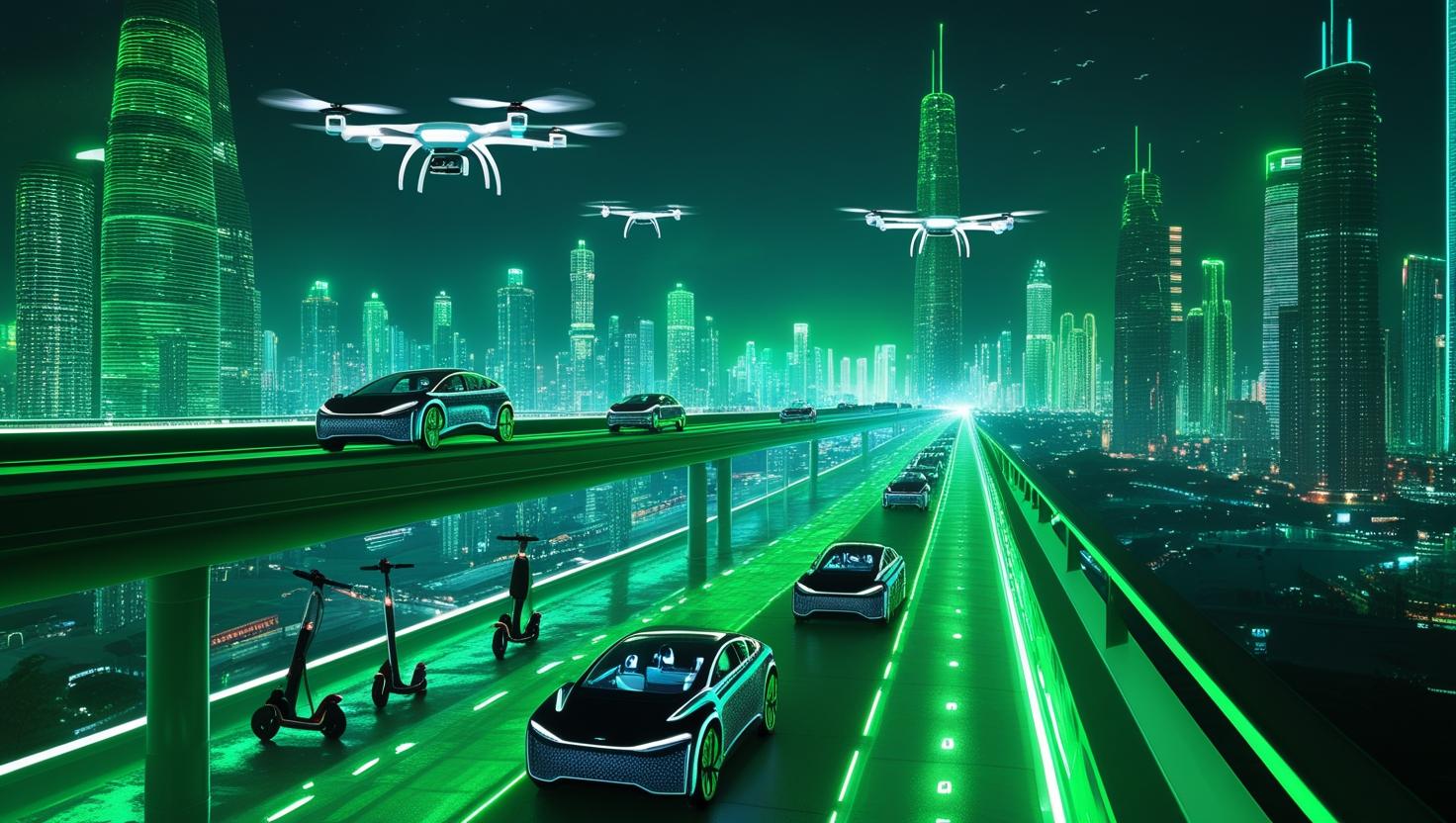
For many people, commuting is one of the most stressful parts of the day. A journey that should take 30 minutes can easily turn into an hour because of traffic congestion, delayed buses, crowded trains, parking shortages, road construction, or unexpected accidents.
As cities become more populated, these challenges are becoming harder to solve with traditional transportation infrastructure alone. Building additional roads and expanding parking spaces can help in some situations, but cities also need smarter ways to understand and manage how people move.
This is where technology is playing an increasingly important role.
Modern urban mobility is moving toward connected transportation networks where vehicles, roads, public transit systems, sensors, mobile applications, and data platforms can communicate and work together. Technologies such as artificial intelligence, the Internet of Things, electric vehicles, predictive analytics, and digital mobility platforms are creating new possibilities for how people travel.
The objective is not simply to make vehicles faster. It is to create transportation systems that are more efficient, reliable, accessible, connected, and responsive to the needs of commuters.
In this article, we explore five major technology trends that are shaping the future of urban mobility and changing the way people experience their daily commutes.
What Is Urban Mobility?
Urban mobility refers to the movement of people and goods within cities and metropolitan areas.
It includes much more than private cars. Urban mobility can involve:
- Buses
- Metro and subway systems
- Trains
- Taxis and ride-hailing
- Electric vehicles
- Bicycles
- E-bikes
- Scooters
- Walking
- Car-sharing
- Delivery vehicles
- Public transportation networks
Traditionally, these transportation options often operated independently.
Today, technology is helping connect them.
For example, a commuter may use a smartphone application to identify a route that combines walking, a bus, a metro journey, and a shared bicycle. At the same time, transportation authorities can use real-time data to monitor traffic and adjust services.
This connected approach is gradually changing urban mobility from a collection of separate transportation services into a more integrated ecosystem.
1. Artificial Intelligence Is Making Traffic Management Smarter
Traffic congestion is one of the biggest problems facing growing cities.
Traditional traffic signals often operate according to fixed schedules. These schedules may work reasonably well under normal conditions, but traffic rarely remains predictable throughout the day.
A minor accident, road closure, sporting event, heavy rain, or sudden increase in vehicle volume can quickly change traffic conditions.
Artificial intelligence can help transportation systems respond to these changes.
How AI Works in Urban Traffic
AI-powered transportation systems can process large amounts of information from different sources, including:
- Traffic cameras
- Road sensors
- GPS information
- Connected vehicles
- Historical traffic patterns
- Public transportation data
- Weather information
- Road incidents
Machine learning models can analyze these signals to identify patterns and potentially predict where congestion is developing.
For example, if a system detects that traffic volume is increasing on a particular road, it could help transportation operators adjust traffic signals or provide alternative routing information.
Adaptive Traffic Signals
One practical application is adaptive traffic signal control.
Instead of keeping a traffic light on the same timing throughout the day, an intelligent system can adjust signal timings based on current traffic conditions.
During a period of heavy traffic, more green-light time may be allocated to a busy direction. When traffic levels decrease, the system can adapt again.
This can help reduce unnecessary waiting at intersections and improve the flow of vehicles.
AI and Public Transportation
AI can also support buses and other public transportation services.
Transportation operators can analyze passenger demand and historical travel patterns to identify busy routes and peak travel periods.
This information can potentially help operators:
- Adjust schedules
- Allocate vehicles
- Identify overcrowded routes
- Improve service planning
- Predict delays
For commuters, better coordination can translate into more reliable transportation.
2. Connected Vehicles and Smart Infrastructure Are Changing Roads
Vehicles are becoming increasingly connected.
Modern cars can already communicate with cloud services, navigation platforms, smartphones, and other digital systems. At the same time, cities are adding sensors and connected infrastructure to roads and intersections.
Together, these technologies create the foundation for connected urban mobility.
What Is a Connected Vehicle?
A connected vehicle is a vehicle that can exchange information with external digital systems.
Depending on the technology available, this can include communication with:
- Cloud platforms
- Traffic infrastructure
- Navigation services
- Mobile devices
- Other connected vehicles
- Roadside equipment
This connectivity can give drivers access to information that would not be available through the vehicle alone.
Smart Roads
Smart infrastructure can include sensors, cameras, connected traffic signals, digital signs, and communication equipment installed around transportation networks.
These systems can monitor conditions such as:
- Traffic volume
- Road occupancy
- Accidents
- Road hazards
- Weather conditions
- Vehicle movement
- Infrastructure conditions
Imagine a driver approaching a road where an accident has just occurred. A connected system could potentially detect the incident and distribute an alert through traffic management or navigation systems.
The benefit is not only convenience. Faster access to information can help transportation systems respond more quickly to disruptions.
Connected Mobility and Road Safety
Connected technology also has potential applications in road safety.
Vehicles and infrastructure can potentially exchange warnings about hazards, emergency situations, or changing road conditions.
As connected transportation develops, communication between vehicles and infrastructure could become an important part of intelligent transportation systems.
3. Electric Vehicles Are Becoming Part of the Smart Mobility Ecosystem
Electric vehicles are another major trend influencing urban transportation.
The transition from internal-combustion vehicles to electric vehicles is changing how cities think about transportation, energy consumption, charging infrastructure, and vehicle technology.
But modern EVs are not simply cars with electric motors.
Many are highly software-driven platforms.
Software Is Becoming More Important
Modern electric vehicles can include:
- Advanced navigation
- Connected mobile applications
- Driver-assistance features
- Remote vehicle monitoring
- Over-the-air software updates
- Energy management systems
- Smart charging capabilities
This creates new opportunities for vehicles to interact with broader digital ecosystems.
Smart Charging
Charging infrastructure is becoming an important part of urban mobility planning.
Instead of treating charging as a simple process of plugging in a vehicle, smart charging systems can potentially coordinate charging with electricity demand, vehicle requirements, and available energy.
This could become particularly important as more electric vehicles share urban charging infrastructure.
EVs and Public Transportation
Electric mobility is not limited to private cars.
Cities are also exploring electric:
- Buses
- Taxis
- Delivery vehicles
- Commercial fleets
- Shared mobility services
Electrifying high-use urban fleets can be particularly significant because these vehicles may operate for many hours each day.
The Charging Challenge
EV adoption also brings challenges.
Cities need to consider:
- Where charging stations should be located
- How much charging capacity is required
- How charging networks can be maintained
- How drivers can access and pay for charging
- How electricity networks can handle increased demand
This means the future of electric urban mobility will depend on both vehicle technology and supporting infrastructure.
4. Multimodal Mobility Platforms Are Connecting Different Ways to Travel
A modern commute rarely needs to involve only one transportation method.
Consider a typical urban journey:
Walking → Bus → Metro → E-bike
Without digital tools, coordinating these different modes can be difficult.
Multimodal mobility platforms aim to make the process easier by bringing transportation information together.
What Is Multimodal Mobility?
Multimodal mobility means using multiple forms of transportation during one journey.
A commuter might:
- Walk from home to a bus stop.
- Take a bus to a metro station.
- Travel by metro.
- Use a shared bicycle for the final part of the journey.
Digital platforms can help users plan such trips based on factors such as travel time, availability, cost, and transportation schedules.
Mobility-as-a-Service
One concept gaining attention is Mobility-as-a-Service (MaaS).
The basic idea is to make different transportation services easier to discover and use through digital platforms.
Instead of opening separate applications for every transportation mode, commuters could potentially access information about multiple services from one platform.
This can make transportation more flexible.
For example, if a train is delayed, a mobility platform could help a commuter identify an alternative bus or shared mobility option.
Why Multimodal Transportation Matters
Integrated mobility can help reduce dependence on private vehicles.
When public transportation, walking, cycling, and shared mobility services are properly connected, commuters may have more practical alternatives to driving alone.
However, integration requires cooperation between transportation providers. Data standards, payment systems, schedules, and infrastructure need to work together.
5. Real-Time Data and Predictive Analytics Are Improving Travel Decisions
Data is becoming one of the most valuable components of modern urban transportation.
Every day, transportation systems generate huge amounts of information.
This can come from:
- GPS devices
- Mobile applications
- Traffic cameras
- Public transportation systems
- Parking sensors
- Connected vehicles
- Road sensors
- Ticketing systems
The challenge is turning this information into useful decisions.
From Data to Insights
Real-time analytics can help transportation authorities understand what is happening on the road network at a particular moment.
For example, a transportation system may detect:
Normal traffic → Increasing congestion → Incident detected → Route adjustment → Traffic recovery
Instead of waiting for congestion to become severe, predictive systems can help identify problems earlier.
Benefits for Commuters
Real-time mobility information can provide:
- Live arrival information
- Traffic updates
- Estimated travel times
- Route recommendations
- Parking availability
- Public transportation alerts
- Disruption notifications
This can make daily travel less uncertain.
Benefits for City Planners
The same data can help city authorities understand longer-term transportation patterns.
They can examine questions such as:
- Which roads experience recurring congestion?
- Which public transportation routes are overcrowded?
- Where is additional charging infrastructure needed?
- Which areas lack convenient transportation?
- When do traffic problems usually occur?
These insights can support better transportation planning.
How These Five Technologies Work Together
The real transformation in urban mobility will come from combining technologies rather than using them separately.
Consider a future transportation network.
Sensors collect information from roads and vehicles.
↓
Real-time platforms process the information.
↓
AI identifies traffic patterns and potential disruptions.
↓
Connected infrastructure communicates relevant information.
↓
Mobility platforms provide commuters with updated travel options.
↓
Electric and shared transportation services support alternative ways to travel.
This creates a connected mobility ecosystem.
For example, if an accident causes congestion on a major road, sensors could identify the incident. AI systems could analyze the traffic impact. Transportation authorities could adjust signals or public transportation operations. A mobility platform could provide commuters with alternative routes.
Each technology contributes to the overall response.
Key Benefits of Technology-Driven Urban Mobility
Technology can influence urban transportation in several important ways.
1. Better Travel Predictability
Real-time information can help commuters understand delays before they become major problems.
2. More Efficient Transportation
AI and analytics can help transportation operators make better use of vehicles, roads, and infrastructure.
3. Improved Connectivity
Connected vehicles and smart infrastructure can enable transportation systems to share information.
4. More Transportation Choices
Multimodal platforms can make it easier to combine public transportation, walking, cycling, and shared mobility.
5. Support for Cleaner Transportation
Electric vehicles and electrified public transportation can contribute to the transition toward lower-emission mobility.
6. Better Transportation Planning
Data can help cities understand how transportation networks are actually being used.
Challenges of Technology-Driven Urban Mobility
Despite its potential, smart urban mobility is not without challenges.
Privacy and Data Protection
Mobility systems can collect detailed information about travel patterns and locations.
Cities and transportation providers need responsible policies for collecting, storing, sharing, and protecting this information.
Cybersecurity
As vehicles and infrastructure become connected, cybersecurity becomes increasingly important.
A transportation network with thousands of connected devices requires strong protection against unauthorized access and disruption.
High Infrastructure Costs
Smart traffic systems, sensors, charging networks, communication infrastructure, and data platforms can require substantial investment.
Cities need to consider both the initial cost and long-term maintenance.
Digital Accessibility
Not every commuter has the same access to smartphones, mobile applications, digital payments, or high-speed internet.
Smart mobility systems should not create barriers for people who depend on traditional transportation services.
Interoperability
Different transportation systems need to communicate with one another.
If bus systems, rail networks, payment platforms, mobility applications, and infrastructure operate in isolated environments, the commuter experience can remain fragmented.
The Role of Smart Cities in Urban Mobility
Urban mobility is closely connected to the broader smart-city movement.
A smart city uses digital technologies and data to improve how urban systems operate.
Transportation can connect with other city systems, including:
- Energy
- Public safety
- Environmental monitoring
- Waste management
- Emergency services
- Public infrastructure
For example, transportation data can potentially be combined with environmental information to understand how traffic patterns relate to local air quality.
Similarly, connected infrastructure can support emergency response by helping authorities understand road conditions and identify accessible routes.
This broader integration could make urban mobility part of a much larger intelligent city ecosystem.
What Commuters Can Expect in the Future
The future commuting experience may become increasingly personalized.
Instead of simply asking, “What is the fastest route?”, commuters may be able to choose journeys based on several preferences:
- Lowest cost
- Shortest travel time
- Fewest transfers
- Lowest environmental impact
- Accessibility requirements
- Availability of charging
- Public transportation availability
A digital mobility platform could then combine multiple transportation options to create a suitable journey.
The experience could become more dynamic as well.
If traffic changes halfway through a journey, the system could provide updated options rather than leaving the commuter with an outdated plan.
This represents a shift from static transportation planning toward responsive mobility.
Urban Mobility Trends to Watch Beyond 2026
The five trends discussed above are likely to connect with several emerging developments.
Autonomous Transportation
Self-driving technology continues to develop, although widespread deployment depends on safety, regulation, infrastructure, and technical progress.
Mobility Data Exchanges
Cities and transportation providers may increasingly explore structured ways to share mobility information while protecting privacy.
Smart Parking
Connected parking systems can help drivers identify available spaces and reduce unnecessary searching.
Electric Shared Mobility
Shared electric cars, bikes, scooters, and buses can become more integrated into urban transportation networks.
Digital Twins
Cities can use digital representations of transportation infrastructure to model traffic scenarios and evaluate potential changes before implementing them in the physical environment.
These technologies could further increase the role of data and software in transportation planning.
How Businesses Can Benefit From Smarter Urban Mobility
Urban mobility technology is not only relevant to city governments and commuters.
Businesses can also benefit from improved transportation networks.
Companies that operate delivery fleets can use route optimization and real-time information to improve fleet operations. Retailers can use mobility data to understand customer accessibility and delivery patterns. Logistics companies can use predictive analytics to plan transportation more efficiently.
Businesses located in areas with better public transportation and connected mobility may also become easier for employees and customers to access.
As transportation becomes more digital, mobility technology could therefore influence multiple areas of the urban economy.
The Future of Urban Mobility Is Connected
The biggest change in urban mobility is not the introduction of one particular technology.
It is the movement toward connected transportation ecosystems.
AI can analyze traffic patterns. IoT sensors can collect information from roads. Connected vehicles can exchange data. Electric vehicles can interact with smart charging systems. Mobility platforms can bring transportation choices together. Predictive analytics can help authorities and commuters make better decisions.
When these technologies operate together, cities can move toward transportation systems that are more responsive to real-world conditions.
However, technology should support people rather than become an objective by itself.
Affordable transportation, accessibility, safety, privacy, reliable infrastructure, and thoughtful urban planning remain just as important as technological innovation.
Conclusion
Urban mobility is undergoing a significant transformation.
The traditional model of transportation, where cars, buses, trains, roads, and traffic systems operate largely independently, is gradually giving way to a more connected approach.
AI-powered traffic management, connected vehicles, electric transportation, multimodal mobility platforms, and real-time analytics are five important technology trends shaping this transition.
Their combined potential is significant. Cities can gain better visibility into transportation networks, commuters can receive more useful travel information, and transportation providers can respond more effectively to changing demand.
The future of commuting will not necessarily be about traveling faster. It will be about making every part of the journey smarter, more connected, more predictable, and easier to manage.
As technology continues to evolve, the cities that successfully combine digital innovation with practical infrastructure and human-centered planning will be better positioned to build transportation systems for the next generation.
Frequently Asked Questions
1. What is urban mobility?
Urban mobility refers to how people and goods move around cities using transportation such as buses, trains, cars, bicycles, walking, electric vehicles, and shared mobility services.
2. How is AI improving urban mobility?
AI can analyze traffic patterns, predict congestion, support adaptive traffic signals, improve route planning, and help transportation providers manage services more efficiently.
3. How do electric vehicles support urban transportation?
Electric vehicles provide an alternative to conventional fuel-powered transportation. Smart charging, connected vehicle software, and digital energy systems can further support their use in modern cities.
4. Why is real-time data important for urban mobility?
Real-time data can provide information about traffic, public transportation, travel times, parking, and delays. This helps commuters make better travel decisions and helps cities manage transportation more effectively.


