

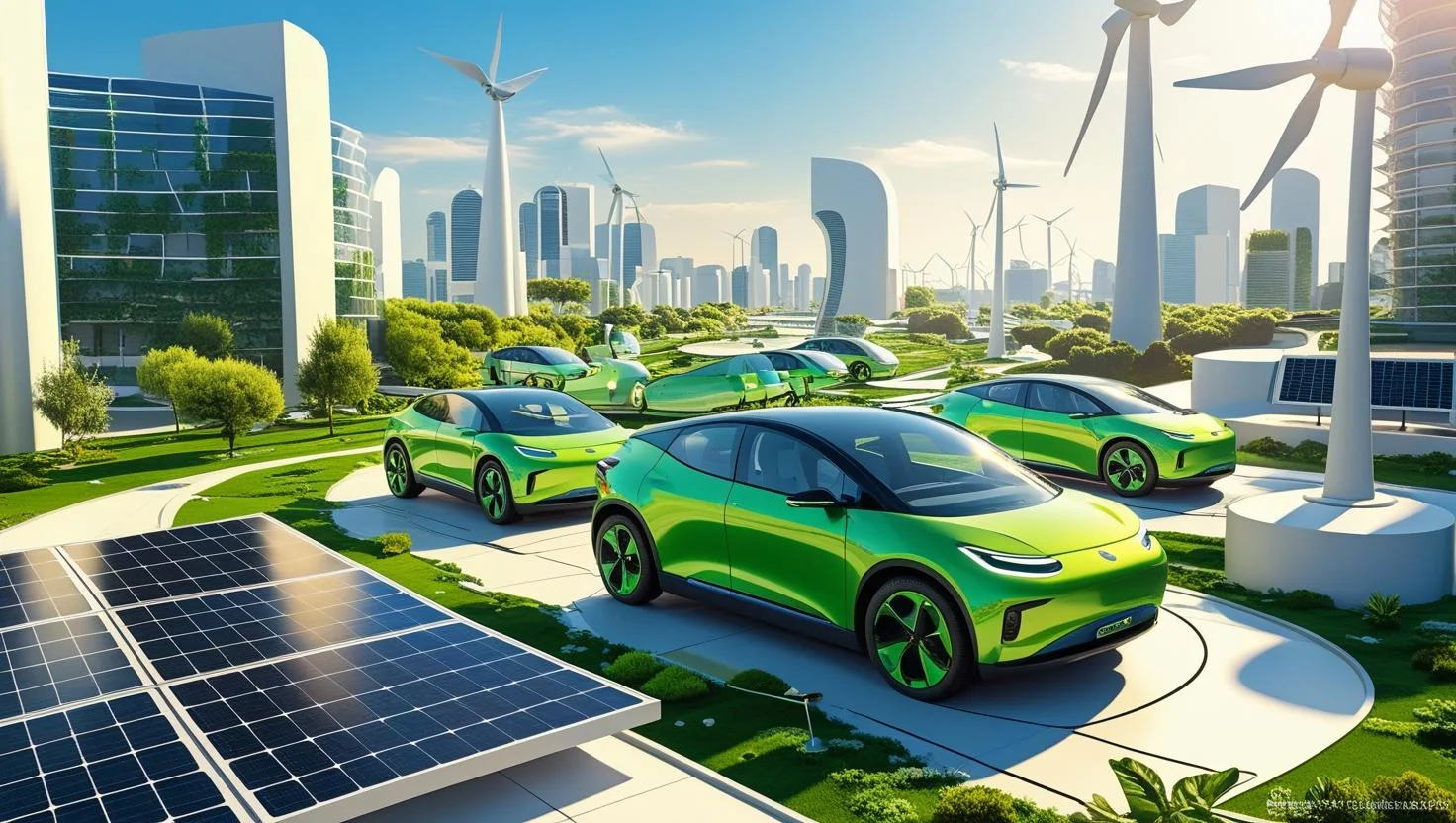
Climate change is no longer a distant concern. Rising energy demand, transportation emissions, industrial activity, and growing digital infrastructure are putting increasing pressure on the environment. As businesses and communities look for practical ways to reduce emissions, technology is becoming an important part of the solution.
Carbon footprint reduction does not mean stopping technological progress. Instead, it means using technology more intelligently so that we can produce, travel, build, and consume energy with fewer environmental impacts.
From renewable energy and electric vehicles to smart grids, artificial intelligence, energy-efficient buildings, and smart agriculture, modern technology can help reduce unnecessary energy use and support cleaner systems.
What Is Carbon Footprint Reduction?
A carbon footprint represents the greenhouse gas emissions associated with an activity, product, organization, or individual. These emissions can come directly from burning fuels or indirectly from electricity consumption, transportation, manufacturing, supply chains, and other activities.
Carbon footprint reduction focuses on lowering these emissions through better decisions, cleaner energy, improved efficiency, and smarter resource management.
Technology can help by monitoring energy consumption, identifying waste, automating inefficient processes, and supporting alternatives to fossil-fuel-based systems.
1. Renewable Energy Technology
Solar and wind power are among the most important technologies supporting the transition toward cleaner electricity.
Solar panels can convert sunlight into electricity for homes, businesses, farms, and large-scale power projects. Wind turbines can generate electricity without directly burning fossil fuels during operation.
The bigger opportunity comes when renewable energy is combined with energy storage and intelligent grid management. This allows electricity systems to better handle changes in renewable generation and demand.
For businesses, renewable energy can also reduce dependence on conventional electricity sources while supporting long-term sustainability goals.
2. Smart Grids and Energy Management
Traditional electricity systems were designed around predictable patterns of generation and consumption. Modern smart grids can use sensors, connected devices, software, and data analytics to understand electricity demand more accurately.
Smart meters can show when and how electricity is being consumed. Automated systems can then adjust certain energy-intensive activities according to demand and availability.
This approach can reduce unnecessary consumption and help integrate renewable electricity into the wider grid. Digital technologies are increasingly being used to improve both end-use and system-level energy efficiency.
3. Artificial Intelligence for Energy Efficiency
Artificial intelligence can analyze enormous amounts of data and identify patterns that may be difficult to detect manually.
For example, AI can help businesses predict energy demand, optimize industrial processes, identify equipment problems, and improve building energy management.
A factory could use AI to identify when machinery is consuming more electricity than expected. A commercial building could use intelligent controls to adjust heating, cooling, and lighting according to occupancy.
However, AI itself requires computing resources and electricity. Therefore, using AI sustainably also means improving computing efficiency and ensuring that digital infrastructure is powered as cleanly as possible.
4. Electric Vehicles
Transportation is another area where technology can contribute to carbon footprint reduction.
Electric vehicles use electricity instead of conventional petrol or diesel engines. Because electric drivetrains are highly efficient, EVs can provide significant emissions benefits over their lifetime, particularly as electricity systems become cleaner.
Electric buses, delivery vehicles, commercial fleets, and two-wheelers can also contribute to cleaner transportation.
The environmental benefits become stronger when EV charging is increasingly supported by renewable electricity. Research examining renewable energy and EVs highlights the importance of combining clean electricity with electrified transport.
5. Battery Storage Technology
Renewable energy production can vary depending on sunlight and wind conditions. Battery storage helps address this challenge by storing electricity when supply is available and releasing it when demand increases.
Large battery systems can support renewable-heavy electricity grids, while smaller batteries can help homes and businesses store electricity generated by solar panels.
Battery technology is becoming an increasingly important part of modern energy infrastructure, although responsible sourcing, recycling, and material management remain important considerations.
6. Smart Buildings
Buildings consume energy through lighting, heating, cooling, ventilation, appliances, and other systems.
Smart building technology can connect these systems through sensors and automated controls. Instead of running equipment continuously, intelligent systems can adjust operations based on occupancy, temperature, weather, and energy demand.
For example, lights can automatically switch off in unused areas, while heating and cooling systems can reduce their operation when rooms are empty.
These small adjustments can become significant when applied across large offices, campuses, hotels, factories, and residential communities.
7. Internet of Things for Carbon Reduction
The Internet of Things, commonly known as IoT, connects physical devices to networks so they can collect and exchange data.
In sustainability projects, IoT sensors can monitor electricity use, water consumption, temperature, equipment performance, air quality, and other environmental conditions.
Businesses can use this information to discover waste and make faster decisions.
For example, an industrial facility could install sensors on machines to monitor energy consumption. If a machine suddenly starts using more power, the system can alert maintenance teams before the problem becomes more serious.
IoT, AI, and digital twins are among the digital technologies that can support greater efficiency across energy grids, supply chains, buildings, and other sectors.
8. Digital Twins for Sustainable Operations
A digital twin is a virtual representation of a physical object, building, machine, or process.
Companies can use digital twins to simulate different scenarios before changing a real-world system. This can help organizations understand how changes in equipment, production schedules, building operations, or energy consumption may affect performance.
For example, a manufacturing company could simulate a production line and identify opportunities to reduce energy consumption without disrupting output.
This combination of simulation and real-world data can make sustainability planning more practical and measurable.
9. Smart Agriculture
Agriculture can benefit from technology that helps farmers use resources more efficiently.
IoT sensors can monitor soil moisture, weather conditions, and crop conditions. Automated irrigation systems can then deliver water when it is needed rather than operating on a fixed schedule.
AI and precision agriculture can also help farmers make better decisions about irrigation, fertilizers, machinery, and crop management.
Using fewer unnecessary resources can improve operational efficiency while supporting more sustainable agricultural practices.
10. Energy-Efficient Data Centers
Digital services depend on data centers, but these facilities can consume significant amounts of electricity.
As cloud computing and AI workloads continue to expand, improving data-center efficiency is becoming increasingly important. Recent growth in AI infrastructure has highlighted the need for better energy planning and more efficient computing systems.
Efficient servers, advanced cooling systems, renewable electricity, workload optimization, and better infrastructure management can all contribute to reducing the environmental impact of digital services.
This is especially important because technology should not create environmental benefits in one area while creating unnecessary energy demand in another.
11. Green Manufacturing Technology
Manufacturing companies can use automation, sensors, robotics, predictive maintenance, and data analytics to improve production efficiency.
Predictive maintenance, for example, can identify equipment problems before they lead to breakdowns. Properly maintained equipment can operate more efficiently and avoid unnecessary downtime.
Automated production systems can also help manufacturers use materials and energy more precisely.
The goal is not simply to automate everything. The goal is to use technology where it can genuinely reduce waste, improve efficiency, and create measurable environmental benefits.
12. Smart Transportation Systems
Technology can also improve transportation without requiring every journey to be replaced by an electric vehicle.
GPS data, traffic sensors, connected vehicles, and intelligent transportation systems can help optimize routes and reduce unnecessary congestion.
Shared mobility platforms and multimodal transportation systems can also make it easier for people to combine public transport, cycling, walking, and other travel options.
Digital innovations can influence mobility, energy use, and consumption patterns, although their environmental benefits depend on how they are designed and adopted.
Why Technology Alone Cannot Solve Climate Change
Technology is powerful, but it is not a magic solution.
Every technology has an environmental footprint. Devices require raw materials, manufacturing, transportation, electricity, and eventually disposal or recycling.
Digital infrastructure also consumes energy. For this reason, sustainability requires looking at the complete lifecycle of a technology rather than focusing only on its benefits during operation.
The OECD notes that digital technologies can support decarbonization while also creating environmental impacts throughout their own lifecycle.
The best approach is therefore to combine technological innovation with responsible consumption, renewable energy, efficient infrastructure, recycling, and effective environmental policies.
How Businesses Can Start Reducing Their Carbon Footprint
Businesses do not have to transform everything overnight. They can begin with measurable improvements.
Some practical steps include:
- Monitor electricity and fuel consumption.
- Replace inefficient equipment with energy-efficient alternatives.
- Explore renewable electricity where practical.
- Use smart sensors to identify energy waste.
- Optimize heating, cooling, and lighting.
- Consider electric vehicles for suitable company fleets.
- Reduce unnecessary business travel through digital collaboration.
- Improve data-center and cloud-resource efficiency.
- Use predictive maintenance for energy-intensive equipment.
- Track emissions across important parts of the supply chain.
- Reuse, repair, and recycle technology wherever possible.
The key is measurement. Businesses should identify where their largest sources of emissions come from and then select technology that addresses those specific problems.
The Future of Carbon Footprint Reduction
The future of sustainability will likely depend on several technologies working together rather than one technology solving everything.
Renewable energy can provide cleaner electricity. Batteries can store that energy. Smart grids can manage supply and demand. AI can analyze complex systems. IoT devices can collect real-time information. Electric vehicles can reduce dependence on fossil fuels for transportation.
When these technologies are connected intelligently, they can create systems that are more efficient and responsive.
Research into the combination of renewable energy, EVs, smart grids, AI-based systems, and advanced batteries continues to highlight the importance of integrating these technologies rather than treating them as isolated solutions.
Final Thoughts
Carbon footprint reduction is becoming an important goal for governments, businesses, and individuals around the world. Technology can play a major role by helping us produce energy more cleanly, use resources more efficiently, and make better decisions based on real-time data.
From solar panels and electric vehicles to AI, IoT, smart buildings, batteries, and intelligent grids, today’s technologies provide many opportunities to reduce unnecessary emissions.
But the real impact comes from using these technologies responsibly. Sustainable technology should not simply be newer technology. It should be technology that helps us achieve better results while using fewer resources and creating less environmental damage.
The path toward a cleaner future will require innovation, responsible choices, and continued improvement. Technology can help lead that journey—but how we design, deploy, and use it will determine how much difference it actually makes.
Frequently Asked Questions
1. What is carbon footprint reduction?
Carbon footprint reduction means lowering greenhouse gas emissions caused by activities such as energy use, transportation, manufacturing, and everyday consumption.
2. Which technologies can help reduce carbon emissions?
Renewable energy, electric vehicles, smart grids, AI, IoT, battery storage, smart buildings, and energy-efficient systems can all help reduce emissions.
3. How can AI help with carbon footprint reduction?
AI can analyze energy and operational data to identify waste, predict demand, optimize equipment, and improve the efficiency of buildings, factories, and other systems.
4. Can businesses reduce their carbon footprint with technology?
Yes. Businesses can use energy monitoring, renewable power, smart sensors, efficient equipment, electric fleets, and intelligent automation to reduce unnecessary energy use and emissions.


