
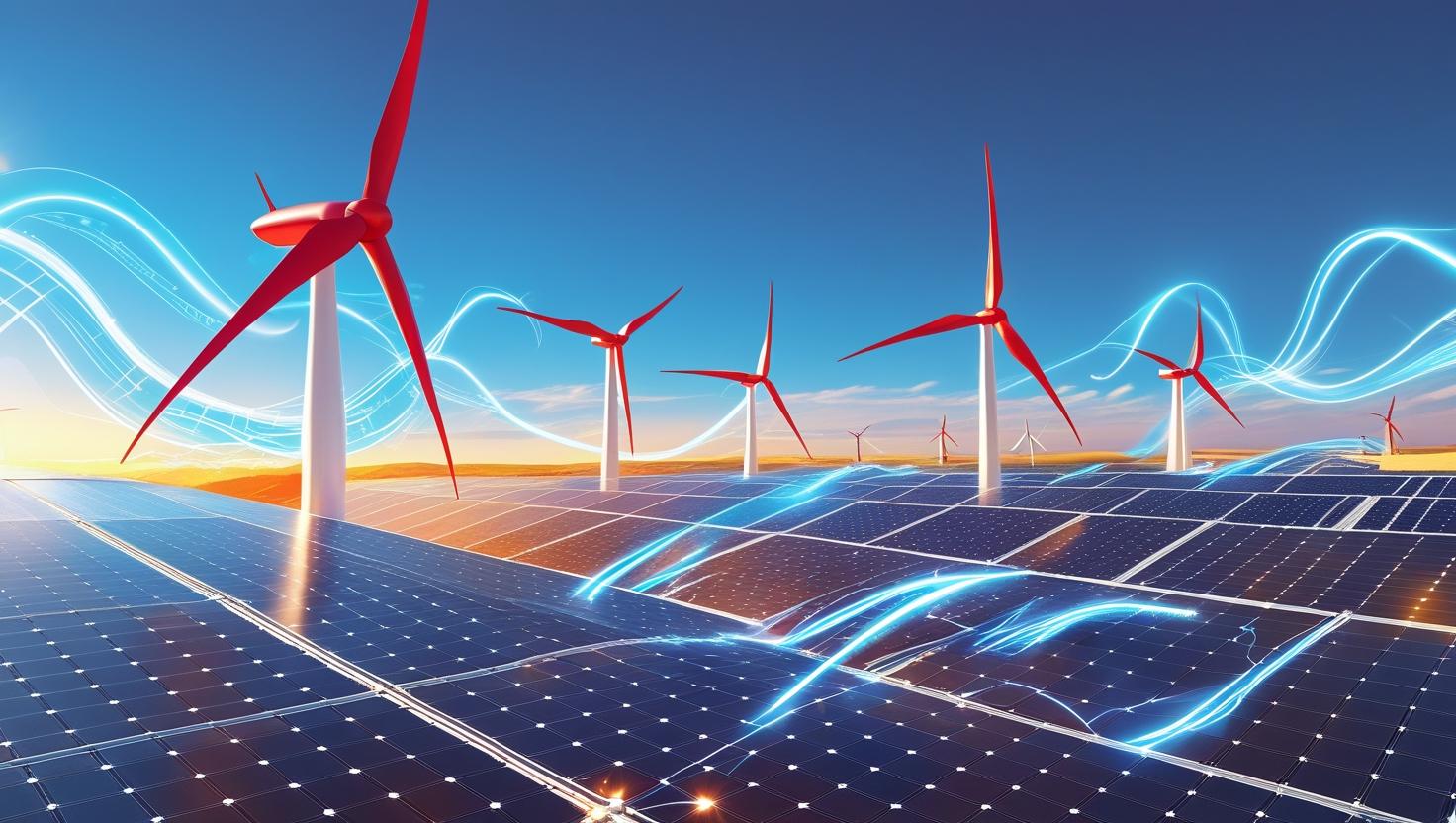
The shift toward cleaner energy is changing how the world produces, stores, and uses electricity. As concerns around climate change, energy costs, and resource availability continue to grow, renewable energy has become an important part of the global energy conversation.
Technology is playing a major role in this transition. From smarter solar panels and modern wind turbines to battery storage, artificial intelligence, and connected energy networks, new technologies are making renewable power more practical and efficient.
How Technology Is Transforming Renewable Energy
Renewable energy sources such as solar, wind, hydropower, and geothermal energy have existed for decades. What is changing rapidly is the technology used to capture and manage that energy.
Digital tools can help energy companies monitor equipment, predict demand, identify performance issues, and make better decisions. This allows renewable energy systems to become more responsive and easier to manage.
For example, sensors installed on renewable energy equipment can continuously collect information about temperature, performance, vibration, and operating conditions. This data can help operators identify potential problems before they lead to major failures.
Smarter Solar Energy
Solar power has become one of the most widely adopted renewable energy technologies. Modern solar systems are becoming more intelligent through improved monitoring, automation, and data analysis.
Smart solar systems can track energy production and provide real-time information about system performance. Advanced software can also help identify unusual changes in output, making it easier to investigate maintenance issues.
Artificial intelligence can further support solar energy management by analyzing weather patterns, historical production, and energy demand. Better forecasting can help energy providers plan how much electricity may be available throughout the day.
Innovation in Wind Energy
Wind energy is also benefiting from technological development. Modern wind turbines are designed to capture more energy while operating under different wind conditions.
Sensors and connected monitoring systems allow operators to observe turbine performance remotely. Data collected from turbines can reveal changes in vibration, temperature, or mechanical behavior that may indicate a maintenance requirement.
Predictive maintenance is particularly useful for large wind farms. Instead of waiting for equipment to fail, operators can use data to identify possible problems earlier and schedule maintenance when appropriate.
Energy Storage Makes Renewable Power More Flexible
One of the challenges of renewable energy is that production can vary. Solar panels generate electricity during daylight hours, while wind generation depends on wind conditions.
Energy storage technology can help address this challenge. Batteries can store electricity when renewable generation is high and release it when demand increases or generation falls.
Battery management systems use software and sensors to monitor factors such as temperature, charging levels, and battery performance. These technologies can improve the reliability and management of energy storage systems.
As battery technology continues to develop, storage could become an increasingly important part of renewable energy infrastructure.
Artificial Intelligence and Renewable Energy
Artificial intelligence is creating new opportunities across the renewable energy sector. AI systems can process large amounts of information and identify patterns that may be difficult to detect manually.
Energy companies can use AI-based systems for:
- Renewable energy forecasting
- Electricity demand prediction
- Equipment monitoring
- Predictive maintenance
- Grid management
- Energy consumption analysis
- Storage optimization
For instance, combining weather forecasts with historical energy-generation data can help estimate future solar or wind production. More accurate forecasts can support better planning across the energy network.
Smart Grids Improve Energy Management
Traditional electricity grids were largely designed around centralized power generation. The growth of renewable energy introduces a more distributed model, where electricity can come from many locations.
Smart grid technology helps manage this changing environment. Digital sensors, automated controls, communication networks, and data analytics can provide greater visibility into electricity generation and consumption.
Smart grids can also support distributed energy resources such as rooftop solar panels, battery storage systems, and electric vehicles.
This creates a more connected energy environment in which electricity can be monitored and managed more dynamically.
The Role of the Internet of Things
The Internet of Things (IoT) connects physical devices to digital systems, allowing them to collect and exchange information.
In renewable energy, IoT devices can monitor equipment and environmental conditions in real time. A solar installation, for example, can use connected sensors to track energy output and equipment conditions.
Wind farms can similarly use IoT technology to monitor turbines across large geographic areas. Operators can access this information remotely rather than relying entirely on physical inspections.
The result is a more data-driven approach to renewable energy management.
Technology Can Support Lower Operating Costs
Renewable energy projects require significant investment, making efficient operations important. Technology can help organizations monitor assets, automate routine processes, and detect issues earlier.
Predictive maintenance can potentially reduce unnecessary inspections and help prevent unexpected equipment downtime. Automated monitoring can also provide teams with information without requiring constant manual observation.
Over time, these improvements can contribute to more efficient renewable energy operations.
Renewable Energy and Electric Vehicles
The relationship between renewable energy and electric vehicles is becoming increasingly important. As electric vehicle adoption grows, electricity demand from charging infrastructure will also increase.
Smart charging technology can help manage when vehicles consume electricity. Charging can potentially be coordinated with periods of higher renewable energy availability or lower grid demand.
Vehicle-to-grid technologies may also allow compatible electric vehicles to interact with the electricity grid and, under appropriate systems and regulations, provide stored energy when needed.
Challenges That Technology Still Needs to Address
Technology can accelerate renewable energy development, but it does not eliminate every challenge.
Renewable energy projects still face issues involving infrastructure, grid capacity, energy storage, cybersecurity, material availability, financing, and regulatory requirements.
Digital systems also create new responsibilities around data protection and security. Connected energy infrastructure needs strong cybersecurity measures because disruptions could affect important services.
Another challenge is ensuring that new technologies are affordable and scalable. A solution that works well in a small pilot project may require significant investment before it can be deployed across an entire energy network.
What the Future May Look Like
The future of renewable energy will likely involve greater integration between physical infrastructure and digital technology.
Solar farms, wind turbines, batteries, smart meters, electric vehicles, and electricity grids can increasingly operate as connected parts of one energy ecosystem.
Advances in artificial intelligence, robotics, energy storage, sensors, and automation could help organizations make renewable energy systems more responsive and efficient.
The broader goal is not simply to generate more clean electricity. It is to build an energy system that can manage renewable power reliably while responding to changing demand.
Conclusion
Technology is becoming a key driver of renewable energy development. Smarter solar systems, advanced wind turbines, battery storage, AI, IoT devices, and smart grids are changing how renewable electricity is generated and managed.
As these technologies continue to mature, they can help address some of the practical challenges associated with renewable energy. The combination of clean power and digital innovation has the potential to create a more flexible, connected, and efficient energy landscape.
Renewable energy is not only about producing electricity from natural resources. Increasingly, it is also about using technology to make that electricity smarter, more manageable, and better suited to the needs of a changing world.
Frequently Asked Questions
1. How is technology improving renewable energy?
Technology is improving renewable energy through artificial intelligence, smart grids, IoT sensors, advanced forecasting, and energy storage. These technologies can help improve monitoring, efficiency, and energy management.
2. What role does AI play in renewable energy?
AI can analyze weather, energy production, and consumption data to improve renewable energy forecasting, identify equipment issues, and support better decisions across energy systems.
3. Why is energy storage important for renewable energy?
Energy storage allows electricity generated from renewable sources to be stored and used when generation is lower or demand increases. This can provide greater flexibility for renewable energy systems.
4. How can smart grids support renewable energy?
Smart grids use digital monitoring, connected devices, automation, and data analytics to manage electricity supply and demand. They can help integrate renewable energy sources into modern power networks more effectively.


