

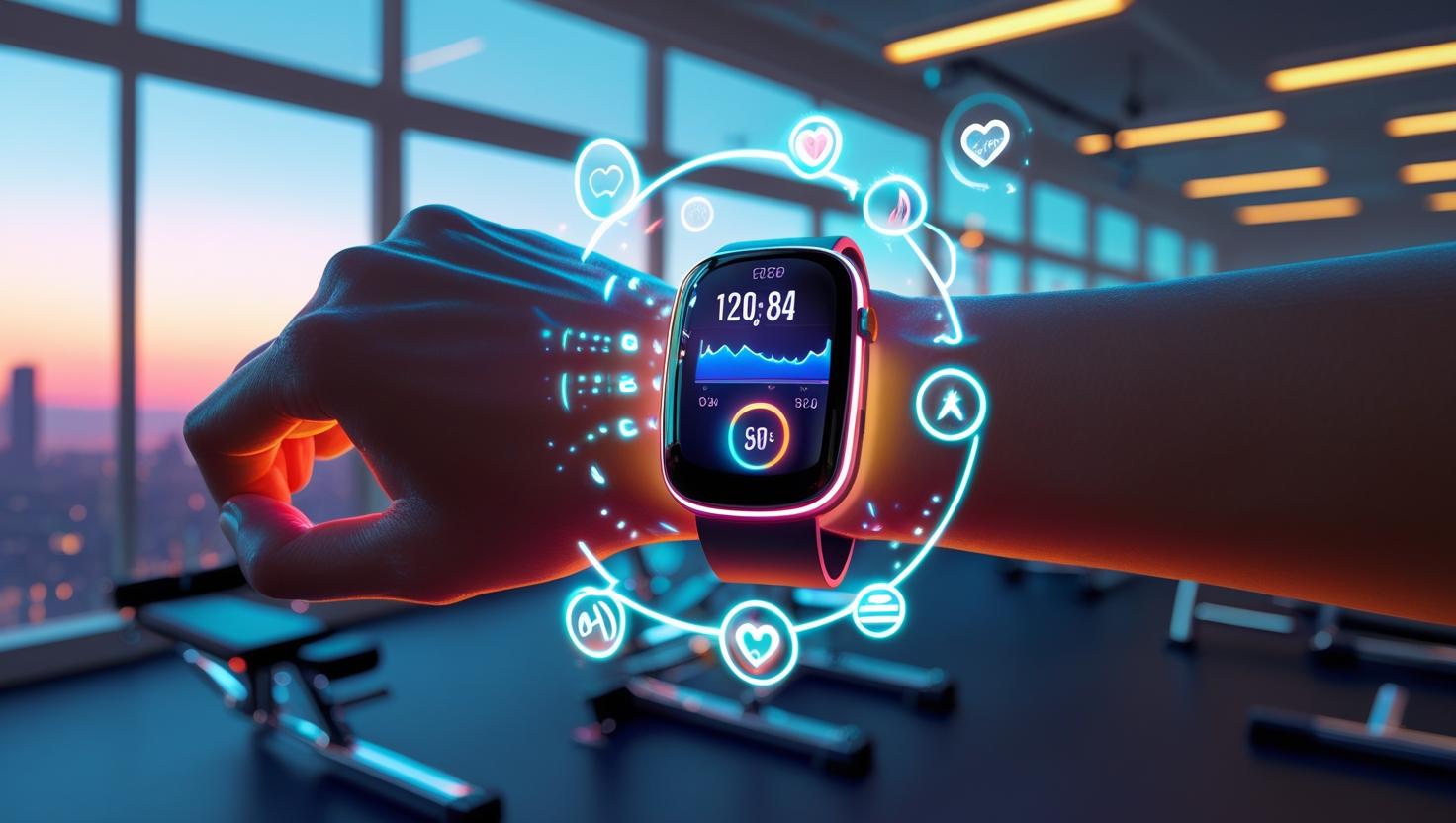
Fitness tracking has changed significantly with the rise of wearable technology. People no longer need to rely only on gym machines or manually record every workout. Smartwatches, fitness bands, smart rings, and other wearable devices can continuously collect useful information about activity, exercise, sleep, and heart rate.
This shift has made fitness more personal and data-driven. Instead of looking at progress once in a while, users can monitor their daily activity and receive real-time feedback while they exercise. As wearable technology continues to evolve, it is becoming an important part of modern fitness routines.
What Is Wearable Technology in Fitness?
Wearable technology refers to electronic devices that people can comfortably wear on their bodies. These devices use sensors to collect and process information related to movement and certain body signals.
Common fitness wearables include:
- Smartwatches
- Fitness trackers
- Smart rings
- Heart-rate monitors
- GPS fitness watches
- Smart clothing
- Connected fitness sensors
Depending on the device, wearable technology can track steps, heart rate, distance, calories, sleep patterns, workout duration, and other fitness-related information.
The collected data is usually displayed through the device itself or a connected smartphone application. This allows users to review their activity and identify patterns over time.
How Wearable Tech Tracks Health in Real Time
The ability to provide real-time information is one of the biggest advantages of modern fitness wearables. Small sensors inside these devices continuously collect data while the device is being worn.
1. Heart Rate Monitoring
Many smartwatches and fitness trackers use optical sensors to estimate heart rate. During exercise, users can see how their heart rate changes as their workout becomes more or less intense.
This information can help people understand their exercise patterns and maintain awareness of workout intensity.
However, wearable heart-rate readings are estimates and can be affected by movement, device placement, and other factors. They should not automatically be treated as medical measurements.
2. Step and Activity Tracking
Movement sensors such as accelerometers and gyroscopes allow wearable devices to detect physical activity.
Users can monitor:
- Daily steps
- Active minutes
- Distance traveled
- Movement patterns
- Exercise duration
This makes it easier to understand how active a person is throughout the day, including periods outside the gym.
3. Sleep Monitoring
Many wearable devices can estimate sleep duration and identify patterns in sleeping and waking times.
Reviewing sleep information over several days or weeks can help users understand their personal routines. For example, someone may notice that late-night activities are consistently associated with shorter sleep.
Sleep tracking should generally be viewed as a wellness tool rather than a replacement for professional sleep assessment.
4. Workout Tracking
Wearable technology can record different types of workouts, including walking, running, cycling, swimming, and strength-related activities.
Depending on the device, users may be able to view information such as:
- Workout duration
- Distance
- Pace
- Heart rate
- GPS route
- Activity intensity
Having this information available during and after exercise can make workouts easier to monitor.
5. Real-Time Feedback
Real-time feedback allows users to see information while they are exercising rather than waiting until the workout is finished.
For example, a runner can check pace and heart rate during a run, while a cyclist can monitor distance and speed. This immediate feedback can help users better understand how their body and performance respond to different activities.
Key Benefits of Wearable Tech in Fitness
Wearable technology offers several practical benefits for people who want to understand and manage their fitness routines.
Personalized Fitness Tracking
Everyone has different fitness habits and goals. Wearables create an individual record of activity that users can review over time.
Instead of comparing themselves with someone else, users can focus on changes in their own activity levels and routines.
Better Workout Awareness
Fitness data can provide a clearer picture of what happens during a workout. Users can compare different sessions and identify changes in distance, duration, pace, or heart-rate patterns.
This can make training more measurable and organized.
Motivation to Stay Active
Daily goals and progress notifications can encourage people to remain active.
Simple reminders, such as taking a walk after sitting for a long period, can help users pay more attention to their daily movement.
Understanding Long-Term Trends
One day’s data may not provide much context. However, information collected consistently over weeks or months can reveal useful personal trends.
For example, users may discover that their activity decreases on certain days or that their exercise routine changes during busy periods.
The Role of AI in Wearable Technology
Artificial intelligence is adding new capabilities to wearable fitness devices.
Traditional trackers primarily collect and display data. AI-powered systems can analyze larger amounts of information and identify patterns across different measurements.
For example, an AI system could analyze combinations of activity, movement, sleep, and heart-rate information to provide more personalized insights.
This could make wearable devices more useful as personal fitness companions. However, AI-generated insights still depend on the quality of the sensor data and the algorithms being used.
Users should therefore treat automated recommendations as guidance rather than assuming that every generated insight is medically accurate.
Wearable Tech for Different Types of Fitness Users
Wearable technology can be useful for a wide range of people.
For Beginners
Beginners can use fitness trackers to understand their basic activity levels and gradually build consistent habits.
For Runners
Runners can monitor distance, pace, routes, workout duration, and heart-rate information.
For Cyclists
Cycling-focused wearables can provide information such as speed, distance, GPS routes, and workout duration.
For Gym Users
People who regularly visit the gym can use wearables to monitor activity and review workout patterns over time.
For Athletes
Athletes may use specialized wearable systems to collect more detailed performance information. These systems can support training analysis, although the collection and management of biometric data also creates important privacy considerations.
Challenges of Wearable Fitness Technology
Although wearable devices offer many advantages, they also have limitations.
Accuracy Can Vary
Wearable sensors do not always provide perfectly accurate readings. Movement, skin contact, device positioning, and the type of activity can influence measurements.
For this reason, users should focus on broader trends rather than treating every individual number as exact.
Battery and Charging
Continuous monitoring requires power. Devices that collect data frequently may need to be charged regularly.
Battery life remains an important consideration when choosing a wearable for long-term tracking.
Data Privacy
Fitness wearables can collect highly personal information. This may include activity patterns, location information, heart-rate data, and sleep-related information.
Users should understand what information a device collects, how it is stored, and how it may be shared with connected applications or services.
Too Much Data
Having access to large amounts of information can sometimes become overwhelming.
More data does not necessarily mean better fitness decisions. Users benefit most when they focus on a few meaningful measurements that relate directly to their goals.
What Is the Future of Wearable Tech in Fitness?
The future of wearable technology is likely to focus on greater personalization, improved sensors, smaller devices, and better integration with artificial intelligence.
Wearables may increasingly combine information from multiple sensors to provide a more complete picture of daily activity and fitness patterns. New sensor technologies could also expand the range of information that can be collected outside traditional clinical environments.
At the same time, manufacturers will need to address important issues such as data accuracy, privacy, security, battery life, affordability, and user comfort.
The goal is not simply to collect more data. The bigger opportunity is to turn useful information into insights that people can understand and apply to their everyday routines.
Conclusion
Wearable tech in fitness is changing the way people monitor physical activity and understand their daily habits. From heart-rate and step tracking to workout monitoring and sleep insights, wearable devices can provide continuous information throughout the day.
The most useful approach is to view this information as a tool for understanding personal trends rather than relying on individual readings. As wearable sensors, artificial intelligence, and connected fitness platforms continue to develop, these devices are likely to become an increasingly integrated part of modern fitness.
Ultimately, wearable technology can make fitness tracking more convenient, measurable, and personalized while giving users a clearer view of their everyday activity.
Frequently Asked Questions
1. What is wearable technology in fitness?
Wearable technology includes devices such as smartwatches, fitness bands, and smart rings that track activity, exercise, and selected health-related measurements.
2. What health information can fitness wearables track?
Depending on the device, fitness wearables can track information such as heart rate, steps, distance, workout duration, activity levels, and sleep patterns.
3. How does wearable tech provide real-time fitness data?
Built-in sensors continuously collect movement and other measurements, which are processed by the device and displayed through its screen or connected mobile app.
4. Are wearable fitness devices completely accurate?
No. Wearable devices provide estimates, and accuracy can vary depending on the sensor, activity, device position, and other conditions. They should not replace professional medical assessment.


