

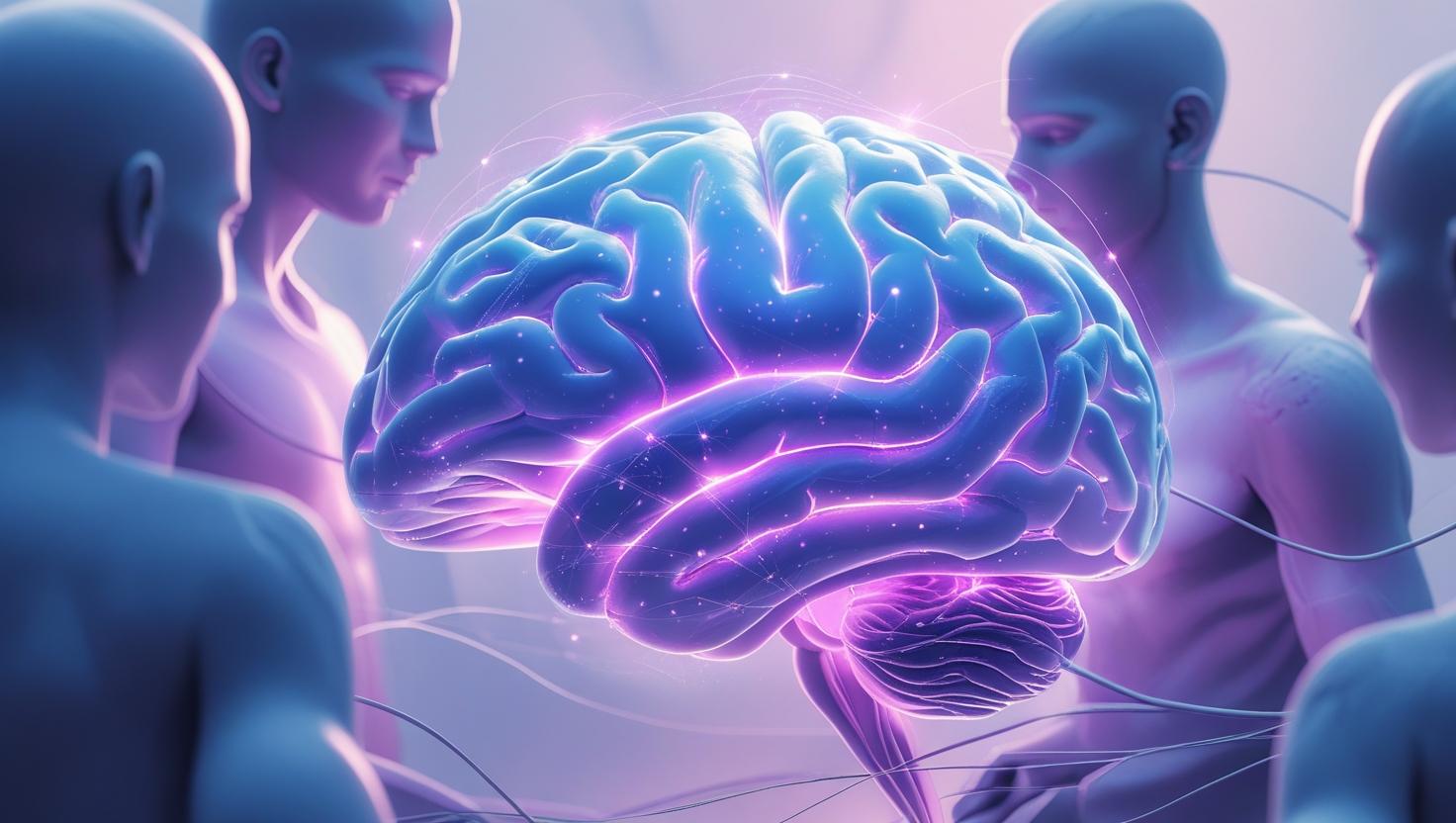
Artificial intelligence is changing how healthcare professionals collect information, identify patterns, and support patients. One area receiving growing attention is mental health. From analyzing language and behavioral patterns to helping clinicians organize patient information, AI is becoming a useful supporting technology in mental healthcare.
The idea of using AI for mental health diagnosis is promising, but it also raises important questions. Mental health conditions are complex, and a person’s emotions, experiences, environment, and relationships can all influence their symptoms. Because of this, AI should not be viewed as a replacement for qualified mental health professionals.
Instead, the most useful role for AI may be to assist professionals, identify potential warning signs, and help people access support earlier.
How AI Is Being Used in Mental Health
AI systems can process large amounts of information much faster than humans. In mental healthcare, researchers and healthcare organizations are exploring AI for tasks such as analyzing written or spoken language, identifying behavioral patterns, supporting clinical assessments, and monitoring changes over time.
For example, an AI system may examine patterns in a person’s responses to questionnaires or analyze changes in communication. These patterns could potentially alert a healthcare professional that further assessment may be appropriate.
However, recognizing a pattern is not the same as making a diagnosis. A trained professional needs to consider the individual’s complete situation before reaching a clinical conclusion.
Benefits of AI in Mental Health Diagnosis
1. Earlier Identification of Warning Signs
One of the biggest potential advantages of AI is its ability to detect patterns that may be difficult to notice immediately.
AI tools can examine large sets of information and identify changes in language, behavior, or responses. When used responsibly, these signals could encourage earlier conversations between patients and healthcare professionals.
Early identification does not guarantee a diagnosis, but it may help people seek professional support sooner.
2. Supporting Mental Health Professionals
Mental health professionals often have to review extensive patient information. AI can help organize and summarize certain types of data, allowing professionals to spend more time interacting directly with patients.
Rather than making decisions independently, AI can function as a supporting tool that helps clinicians identify information that deserves closer attention.
This human-plus-AI approach may become increasingly valuable as demand for mental healthcare continues to grow.
3. More Consistent Data Analysis
Human judgment is essential in mental healthcare, but reviewing large amounts of information can be challenging.
AI can apply the same analytical process across large datasets. This may help researchers and clinicians identify trends and patterns that could otherwise be overlooked.
Still, consistency does not automatically mean accuracy. AI systems can also produce incorrect conclusions if their training data or design contains limitations.
4. Improving Access to Initial Support
Many people struggle to access mental health professionals because of cost, location, waiting lists, or limited availability.
AI-powered tools may provide basic screening or educational information while someone is deciding whether to seek professional help.
These tools can potentially serve as an initial step, but they should clearly communicate their limitations and encourage professional evaluation when appropriate.
5. Personalized Monitoring
Mental health can change over time. AI systems may help monitor certain patterns across repeated interactions or assessments.
For example, changes in responses over several weeks could provide useful information for a clinician. This may support more personalized care and help professionals understand whether a treatment approach appears to be working.
Major Risks of AI in Mental Health Diagnosis
The potential benefits are significant, but mental health AI also comes with serious risks.
1. Privacy Concerns
Mental health information is highly personal. AI systems may process sensitive information such as conversations, questionnaires, behavioral patterns, or other personal data.
If this information is collected or stored improperly, it could create serious privacy risks.
Organizations using AI in mental healthcare need strong security practices, clear data policies, and transparency about how information is collected and used.
2. AI Can Make Mistakes
AI is not infallible.
A system may incorrectly interpret someone’s language, behavior, or emotional state. A person who is simply having a difficult week could potentially be flagged incorrectly, while someone experiencing serious symptoms might not be identified.
This is why AI-generated results should not automatically be treated as a medical diagnosis.
3. Bias in AI Systems
AI learns from data, and the quality and diversity of that data matter.
If an AI model is trained using limited populations or biased datasets, its performance may vary between different groups of people. Language, culture, age, gender, communication style, and social background can all influence how mental health symptoms are expressed.
Developers therefore need diverse datasets and continuous testing to identify and reduce potential bias.
4. Over-Reliance on Technology
There is a risk that organizations could depend too heavily on automated systems.
Mental healthcare involves more than analyzing symptoms. A professional may need to understand a person’s history, relationships, environment, physical health, and personal experiences.
AI can process information, but it does not replace the depth of human understanding and clinical judgment required for complex situations.
5. False Reassurance
AI tools can also create a false sense of security.
If an AI system does not identify a potential problem, a person might assume that everything is fine and avoid seeking professional help. This can be dangerous because mental health conditions cannot always be identified through automated assessments.
A negative AI result should never be treated as proof that professional support is unnecessary.
The Importance of Human Oversight
The future of AI in mental healthcare should focus on collaboration rather than replacement.
A responsible system could help identify patterns, organize information, or support screening while leaving diagnosis and treatment decisions to qualified professionals.
Human oversight is particularly important when an AI system produces an uncertain or potentially serious result. Professionals should have the ability to review the information, question the AI’s recommendation, and make the final clinical decision.
This approach can combine the speed of technology with the empathy and judgment of healthcare professionals.
Ethical Questions Around Mental Health AI
Technology developers also need to consider the ethical side of AI.
People should know when AI is being used to process their mental health information. They should understand what information is collected, why it is collected, and how long it may be stored.
Consent should be meaningful rather than hidden inside complicated terms and conditions.
There is also an important question of accountability. If an AI system provides an incorrect recommendation, organizations need clear processes for investigating the problem and protecting the affected individual.
What Could the Future Look Like?
AI may become an important supporting technology in mental healthcare, particularly as systems become better at processing complex information.
Future applications could assist with screening, clinical documentation, patient monitoring, research, and personalized treatment support.
However, progress should be measured by more than technological capability. AI tools need to be accurate, secure, transparent, fair, and clinically validated before they are trusted for important healthcare decisions.
The goal should not be to create machines that replace mental health professionals. The more realistic and responsible goal is to build tools that help professionals provide better and more accessible care.
Final Thoughts
AI in mental health diagnosis has genuine potential, but it also requires careful handling. Faster analysis, early warning signals, personalized monitoring, and professional support are some of its promising benefits. At the same time, privacy concerns, bias, inaccurate results, and over-reliance on technology cannot be ignored.
Mental health is deeply personal and often complicated. Technology can help identify patterns, but understanding a person requires more than data.
The most effective future may therefore be one where AI works alongside qualified professionals—not instead of them. With appropriate safeguards, transparency, human oversight, and responsible development, AI could become a valuable part of the broader mental healthcare ecosystem.
Frequently Asked Questions
1. Can AI diagnose mental health conditions?
AI can identify patterns and warning signs that may support mental health assessments, but it should not replace a qualified mental health professional’s diagnosis.
2. What are the benefits of AI in mental health diagnosis?
AI can help identify potential warning signs earlier, analyze information, support professionals, and assist with ongoing mental health monitoring.
3. What are the risks of using AI for diagnosis?
Key risks include inaccurate results, privacy concerns, biased outcomes, and excessive reliance on automated recommendations.
4. Will AI replace mental health professionals?
AI is more likely to support rather than replace mental health professionals because human judgment, empathy, and clinical experience remain essential.


