
The way people use technology is changing quickly, and faster connectivity is becoming an important part of everyday life. From watching videos and working remotely to using smart devices and connected vehicles, internet connectivity now plays a role in many daily activities.
One of the technologies contributing to this change is 5G. More than simply offering faster mobile internet, 5G is designed to support a larger number of connected devices, reduce communication delays, and provide more reliable connections for modern applications.
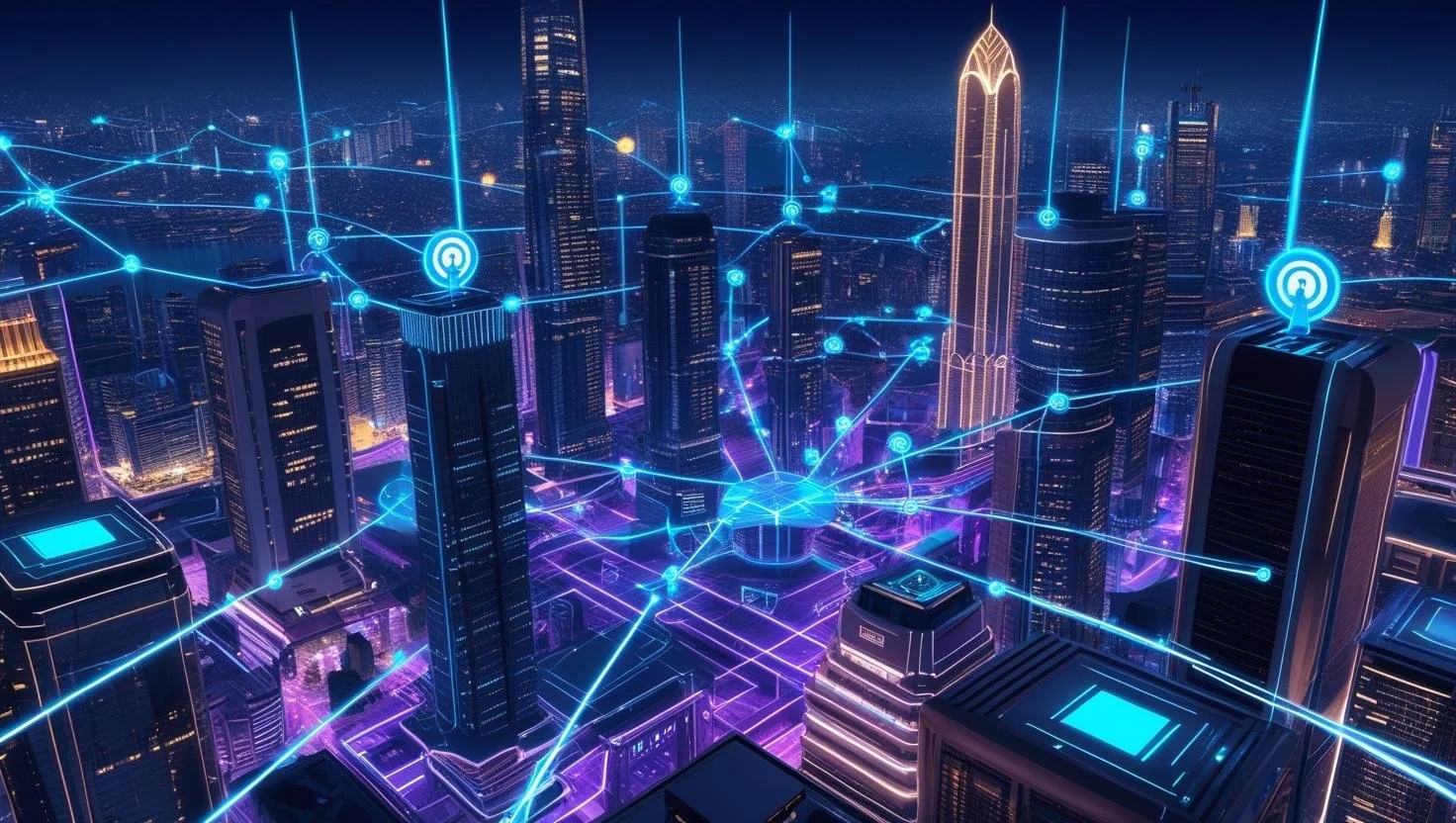
As 5G networks continue to expand, their effects can be seen across entertainment, healthcare, transportation, smart homes, business, and other areas. The technology is also creating new opportunities for Internet of Things (IoT) devices and intelligent systems.
What Is 5G Technology?
5G stands for the fifth generation of mobile network technology. It follows earlier generations such as 3G and 4G and is designed to improve wireless communication in several ways.
A major feature of 5G is its ability to deliver higher data speeds. However, speed is only one part of the technology. 5G can also provide lower latency, improved network capacity, and support for large numbers of connected devices.
These capabilities make 5G useful for applications where fast and dependable communication is important.
For example, a smart factory may have thousands of sensors collecting information from machines. A 5G network can help these devices communicate efficiently, allowing businesses to monitor equipment and respond to changes more quickly.
Faster Internet for Everyday Activities
One of the most noticeable 5G technology impacts is faster mobile connectivity.
People increasingly use smartphones for video calls, streaming, online learning, gaming, banking, shopping, and social media. A faster network can make these activities feel smoother, particularly when users are in areas with strong 5G coverage.
High-quality video content can also be accessed more comfortably without depending entirely on fixed broadband connections.
However, the actual experience depends on factors such as network coverage, device compatibility, network congestion, and the service offered by a mobile operator. 5G does not automatically provide the same performance everywhere.
5G and Smart Homes
Smart homes depend on connected devices that communicate through networks. These can include smart lights, security cameras, thermostats, appliances, speakers, and sensors.
As the number of connected devices increases, reliable connectivity becomes increasingly important.
5G can contribute to smart-home ecosystems by providing wireless connectivity for compatible devices and services. For example, a homeowner could receive security alerts, monitor cameras remotely, or manage connected appliances through a mobile application.
The combination of 5G and IoT can make connected environments more responsive and easier to manage.
Improving Remote Work and Collaboration
Remote and hybrid work have increased the importance of dependable internet connections.
Employees may need to participate in video conferences, access cloud applications, transfer large files, and communicate with colleagues throughout the day. Poor connectivity can interrupt these activities and reduce productivity.
5G can provide another connectivity option for professionals working from different locations. A strong mobile connection can be especially useful when traditional broadband is unavailable or when someone needs temporary internet access while traveling.
For businesses, this can support more flexible working arrangements and connected teams.
5G in Healthcare
Healthcare is another area where reliable communication can make a meaningful difference.
Connected medical devices can collect and transmit information, while healthcare professionals increasingly use digital platforms for communication and remote services. 5G can support applications that require high bandwidth and low communication delays.
For example, hospitals can use connected equipment to share information across departments. Remote monitoring systems can also help healthcare providers collect patient-related data from compatible devices.
More advanced applications, including remote assistance and certain forms of robotic healthcare technology, may benefit from low-latency networks. At the same time, healthcare applications require strong security, privacy protections, and appropriate regulatory controls.
Smarter Transportation and Connected Vehicles
Transportation is becoming increasingly connected. Modern vehicles can communicate with navigation systems, cloud platforms, mobile applications, and other digital services.
5G can support communication between connected vehicles and surrounding infrastructure where suitable systems are deployed.
For example, traffic systems could use connected sensors to collect information about road conditions and vehicle movement. This information can help transportation operators understand congestion and improve traffic management.
Connected vehicles may also benefit from faster access to navigation, entertainment, software services, and other digital features.
The broader development of autonomous and assisted-driving systems will require a combination of technologies, sensors, onboard computing, mapping, and connectivity rather than relying on 5G alone.
Supporting Smart Cities
Smart cities use digital technologies to improve the management of urban services.
Sensors can be installed across roads, buildings, public spaces, and infrastructure to collect information. These systems can monitor areas such as traffic, energy consumption, parking, environmental conditions, and public infrastructure.
5G can provide connectivity for some of these connected systems, particularly where large numbers of devices need to communicate efficiently.
For example, connected streetlights could provide information about usage and operating conditions. Smart parking systems could also communicate availability information to applications used by drivers.
These technologies can help cities make better use of collected data, although successful smart-city projects also depend on infrastructure, cybersecurity, privacy, investment, and effective data management.
5G and the Internet of Things
The Internet of Things connects physical devices to digital networks so they can collect, exchange, and sometimes act on information.
From wearable devices to industrial sensors, IoT networks can contain large numbers of connected endpoints.
5G is particularly relevant to IoT because modern network designs are intended to support different types of connectivity requirements. Some applications need very fast communication, while others prioritize reliability, device density, or low power consumption.
This flexibility can help businesses explore connected manufacturing, asset tracking, environmental monitoring, logistics, and other applications.
Transforming Entertainment and Gaming
Entertainment is also changing as connectivity improves.
Cloud gaming, high-resolution streaming, immersive experiences, and augmented reality applications can require substantial bandwidth and responsive connections.
5G can support these experiences in locations where suitable coverage and network capacity are available. Gamers may experience more responsive online gameplay, while AR applications can potentially access cloud-based resources more efficiently.
Still, performance can vary based on the network, device, application, and distance from supporting infrastructure.
5G in Business and Manufacturing
Businesses are exploring 5G for more than employee connectivity.
Manufacturers can connect machines, sensors, cameras, robots, and monitoring systems within production environments. This can create a more connected workplace where operational information is collected continuously.
For example, sensors can monitor machine conditions and send data to analytics systems. Businesses may use this information to identify unusual patterns and schedule maintenance before equipment problems become more disruptive.
This approach can support predictive maintenance and more data-driven operations.
Security and Privacy Considerations
The growth of connected devices also creates new security challenges.
Every connected device can become part of an organization’s digital environment. Poorly secured devices may create opportunities for unauthorized access or data exposure.
Organizations using 5G-connected systems should therefore consider authentication, encryption, access controls, software updates, network monitoring, and device security.
Privacy is equally important. Connected devices can collect significant amounts of information about users, locations, activities, and environments. Organizations need clear policies for how this data is collected, stored, processed, and shared.
Challenges of 5G Adoption
Despite its potential, 5G adoption is not without challenges.
Network availability differs between locations, and users need compatible devices to take advantage of 5G services. Building and maintaining network infrastructure can also require significant investment.
Another challenge is that not every application needs 5G. For some everyday tasks, existing Wi-Fi or 4G connectivity may already be sufficient.
Businesses should therefore evaluate their actual requirements before investing in new connectivity infrastructure.
What the Future of 5G Could Look Like
The future of 5G will likely involve more integration with technologies such as artificial intelligence, edge computing, cloud platforms, and IoT.
Instead of treating connectivity as a standalone service, organizations can combine these technologies to create connected systems that collect information, analyze it, and respond more quickly.
For consumers, this could mean more connected homes, vehicles, wearable devices, and digital services. For businesses, it could support smarter operations and new digital experiences.
The impact will not come from 5G alone. Its value will depend on how effectively organizations and technology providers combine connectivity with useful applications and responsible data practices.
Conclusion
The 5G technology impacts being seen today extend beyond faster smartphone downloads. The technology is becoming part of a broader connected ecosystem involving smart homes, IoT devices, healthcare systems, transportation, entertainment, manufacturing, and smart-city infrastructure.
As 5G networks develop, the biggest changes may come from applications that use connectivity in ways that were previously difficult or impractical.
At the same time, security, privacy, infrastructure costs, device compatibility, and network availability will remain important considerations.
Ultimately, 5G is one part of a larger technological shift toward faster, more connected, and increasingly intelligent digital environments. Its long-term impact will depend on how people and organizations use that connectivity to solve real-world problems.
Frequently Asked Questions
1. What are the main impacts of 5G technology on daily life?
5G technology provides faster connectivity, lower latency, and greater network capacity, improving activities such as streaming, video calls, gaming, cloud applications, and connected devices.
2. How does 5G technology improve internet connectivity?
5G can deliver higher data speeds and faster response times, helping users access digital services, cloud platforms, videos, and real-time applications more smoothly.
3. How can 5G support smart homes and smart cities?
5G can connect smart devices, sensors, cameras, vehicles, and other IoT systems. This supports applications such as smart lighting, traffic management, security, and connected infrastructure.
4. Which industries can benefit from 5G technology?
Healthcare, manufacturing, transportation, retail, education, logistics, and entertainment can use 5G for connected devices, automation, real-time communication, and digital services.


