
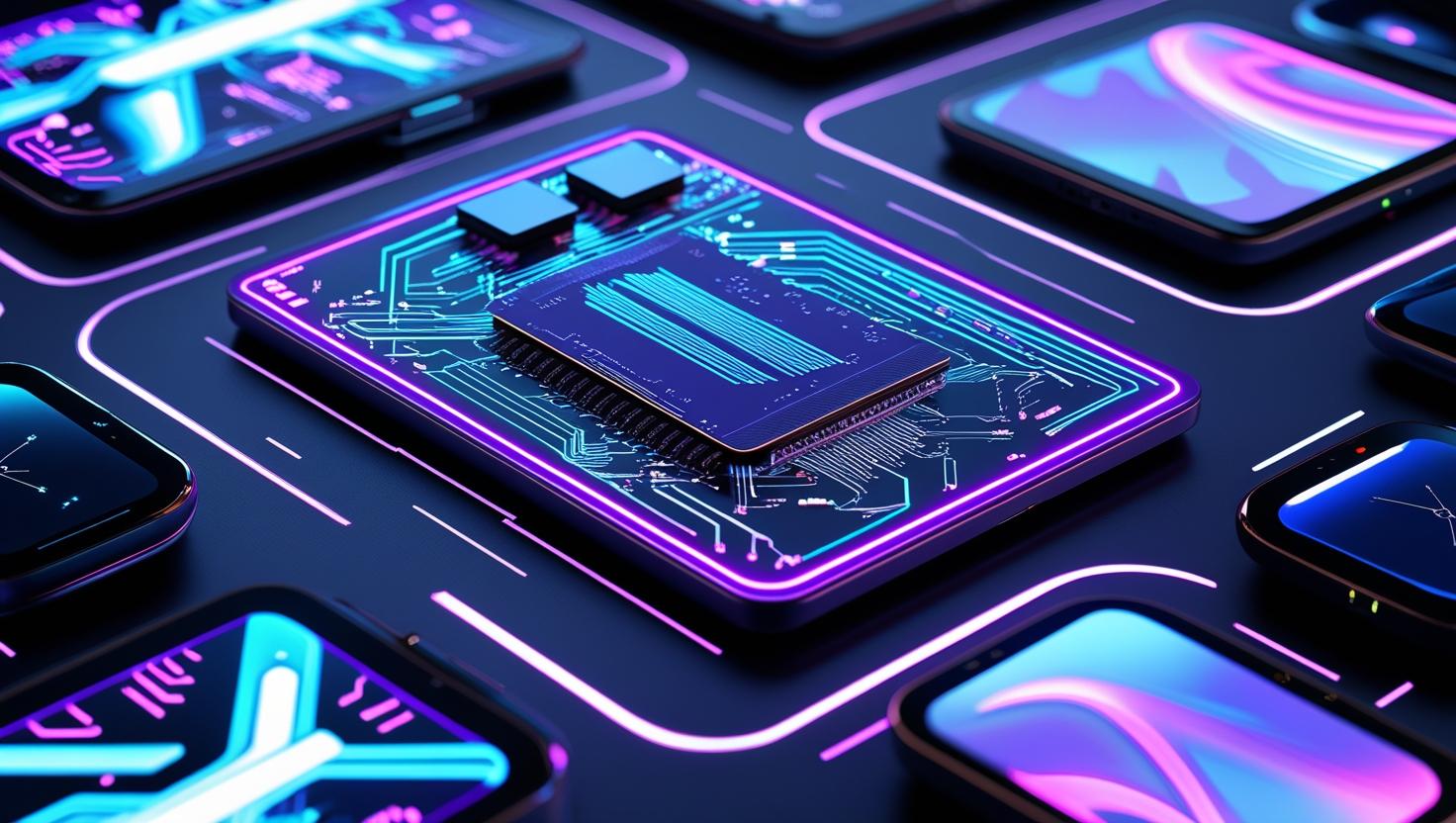
Hardware is changing quickly. Devices are becoming smarter, smaller, faster, and more connected than ever before. From AI-powered machines to intelligent sensors and edge computing systems, modern hardware is creating new opportunities for businesses, developers, and technology enthusiasts.
For companies exploring automation, choosing the right hardware can make a major difference. The latest hardware developments are not simply about better specifications. They are about creating systems that can process information faster, communicate efficiently, reduce manual work, and support smarter decisions.
Here are 9 top hardware trends worth watching and exploring right now.
1. AI-Ready Hardware
Artificial intelligence is moving beyond software. Modern processors and specialized chips are being designed to handle AI workloads directly on devices.
AI-ready hardware can support tasks such as image recognition, voice processing, predictive analysis, and automated decision-making without depending entirely on cloud infrastructure.
This is especially useful for smart devices and automated systems where fast responses are important.
2. Edge Computing Devices
Traditional systems often send data to centralized cloud servers for processing. Edge computing brings processing closer to where the data is generated.
Edge hardware can analyze information locally, which can reduce delays and unnecessary data transfers.
For example, an industrial camera can process visual information near the production line instead of sending every piece of footage to a remote server.
This makes edge computing an important hardware trend for automation, manufacturing, security, and smart infrastructure.
3. Smarter IoT Sensors
Sensors are becoming more capable while maintaining smaller physical designs. Modern IoT sensors can collect information about temperature, movement, pressure, location, energy consumption, and other conditions.
When connected to an automation system, these sensors can trigger actions based on real-world conditions.
For example, a smart building could automatically adjust lighting or temperature based on occupancy and environmental data.
4. Energy-Efficient Processors
Performance is important, but energy efficiency is becoming equally valuable.
New generations of processors are being designed to deliver strong computing performance while using power more efficiently. This matters for everything from laptops and smartphones to industrial equipment and connected devices.
Lower power consumption can help organizations reduce operating costs and extend the battery life of devices used in remote or mobile environments.
5. Robotics Hardware
Robotics continues to expand beyond traditional manufacturing environments. Modern robots are being developed for warehouses, healthcare, agriculture, logistics, retail, and other industries.
Improved motors, sensors, cameras, controllers, and processors are helping robots interact more effectively with their surroundings.
Collaborative robots are also becoming increasingly useful because they can be designed to work alongside people in specific controlled environments.
The combination of robotics hardware and AI can create powerful automation systems capable of handling repetitive and data-driven tasks.
6. High-Speed Connectivity Hardware
Automation depends heavily on communication between devices.
Modern connectivity hardware supports faster and more reliable data exchange between machines, sensors, computers, and cloud platforms. Technologies such as advanced Wi-Fi, 5G, and other networking solutions are helping connected systems communicate with lower delays.
For smart factories and connected facilities, reliable connectivity can be just as important as processing power.
7. Specialized AI Chips
General-purpose processors are not always the most efficient option for demanding AI workloads. This has increased interest in specialized hardware designed for machine learning and AI processing.
These chips can accelerate specific computational tasks and help devices perform AI functions more efficiently.
Specialized AI hardware is particularly relevant to edge devices, robotics, cameras, autonomous systems, and other applications where local processing is valuable.
8. Advanced Storage Hardware
As devices generate more data, storage technology also needs to evolve.
Faster solid-state storage and improved storage architectures can help systems access large amounts of information more efficiently. This is important for AI applications, video processing, analytics, automation platforms, and other data-intensive workloads.
For businesses building technology infrastructure, storage should therefore be considered alongside processors, memory, and networking equipment.
9. Modular Hardware Systems
Technology requirements can change quickly. Modular hardware provides greater flexibility by allowing organizations to upgrade or replace specific components instead of rebuilding an entire system.
This approach can be valuable for automation projects because businesses may need to add new sensors, controllers, processing capabilities, or communication modules over time.
Modular designs can also make maintenance and future upgrades easier when systems are planned correctly.
Why These Hardware Trends Matter
Hardware is becoming an important part of the automation ecosystem. Software can provide intelligence, but hardware gives that intelligence a way to interact with the physical world.
A sensor can collect information. A processor can analyze it. A network can transfer it. An automated system can then use that information to perform an action.
This combination is helping businesses build smarter and more responsive technology environments.
However, organizations should not adopt every new hardware trend simply because it is popular. The right choice depends on the actual problem, budget, compatibility requirements, security considerations, and expected return on investment.
How to Choose the Right Hardware
Before investing in new technology, consider a few important questions:
- What problem will the hardware solve?
- Does it work with the existing technology stack?
- How much computing power is actually required?
- Can the hardware scale as requirements grow?
- What are its energy and maintenance requirements?
- Does it provide adequate security?
- Can components be upgraded in the future?
Answering these questions can help businesses avoid unnecessary spending and select hardware that supports long-term automation goals.
The Future of Hardware and Automation
The next generation of hardware will likely become even more connected, intelligent, and efficient. AI processing, robotics, IoT sensors, edge computing, and high-speed connectivity are increasingly working together rather than developing as isolated technologies.
For businesses, this creates an opportunity to rethink how physical devices can support automation and digital operations.
The biggest advantage may not come from choosing the most expensive hardware. It will come from selecting the right hardware for a specific use case and connecting it effectively with software and automation systems.
Conclusion
The hardware industry is moving toward smarter devices, faster processing, better connectivity, and greater energy efficiency. AI chips, edge devices, IoT sensors, robotics, and modular systems are becoming important building blocks for modern technology.
Businesses that understand these developments can make more informed decisions when planning automation projects and upgrading their technology infrastructure.
The goal should not be to follow every trend blindly. Instead, identify the technologies that solve real problems, improve efficiency, and create room for future growth.
Frequently Asked Questions
1) What are the most important hardware trends today?
Key hardware trends include AI-ready processors, edge computing, IoT sensors, robotics, specialized AI chips, faster connectivity, and modular hardware systems.
2) Why is AI hardware becoming important?
AI hardware helps devices process artificial intelligence workloads faster and more efficiently, making it useful for automation, robotics, smart devices, and edge computing.
3) How does edge computing hardware support automation?
Edge computing hardware processes data closer to where it is generated. This can reduce delays and help automated systems respond more quickly to real-world events.
4) How should businesses choose new hardware?
Businesses should consider their specific requirements, compatibility, performance, security, energy consumption, scalability, maintenance needs, and future upgrade options.


